













As hard as it may be to imagine in 2026, one of the most visible developments in our High Streets of late has been not the rise in wine bars and vape shops – but food banks.
Events ranging from Lockdown six years ago to the current conflict in Iran, have increased demand considerably, fuelling the oft-quoted comparison that there are more of them than McDonald’s restaurants.
There are indeed and figure is more than double, in fact – and that doesn’t account for the growing number of collection points operating discreetly inside schools.
More than 1,600 of the 2,800 food banks accounted for are managed by the Trussell network, a former Trust which came to life in Salisbury in 2000, operating out of a garage at the home of Carol Henderson, thanks to a legacy gift from her mother, Betty Trussell.

Since then, there have been many more inspirational stores of community action, none more so that of Isaac Winfield who set one up in a pop-up greenhouse on the drive of his parents’ home in Greenlands, Redditch to help people struggling over the Christmas period in 2020. At the time he was only 9.
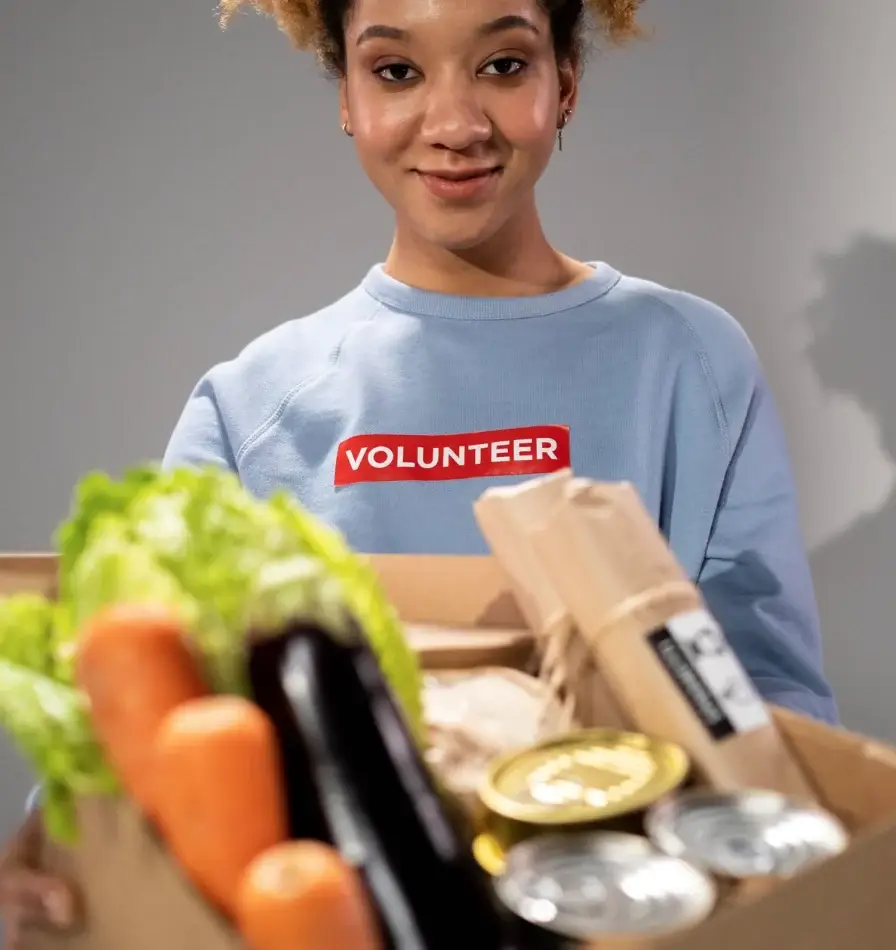
Since then, his charity has grown significantly into a large-scale registered Community Interest Company (CIC) with multiple sites and a series of properly-built sheds all over the borough, along with a team of 10 volunteers who keep things going while he’s at school, and generously donated collection and delivery vans.
His charity, Friends Of Isaac’s Food Bank, regularly appeals to local businesses for contributions – basically, anything that can be cooked with a microwave of kettle – as well as shops, cafés, offices, and community venues willing to become donation drop-off points.
By the time he was 13 he had won the Young Person Award at Platform Housing Group’s Community Heroes Awards, not surprising, given that for his birthday he told everyone the only presents he wanted were donations to fill a van.
It’s not just about handing over some food and saying, off you go. It’s about making sure they leave with a lot more hope than when they came in
His mum, Claire, has noted the “huge increase of people needing the food bank since the cost of everything has gone up” and spoken of how her drive quickly became “a place of mixed emotions”.
“We have nurses come to us sobbing that they cannot feed their children,” she said. “It’s awful.”
And he is not alone. Thanks to commitment from individuals and local businesses, support is available everywhere, from drop-off bins in most supermarkets to football clubs and virtually anywhere accessible to people. And, even though support is desperately needed, there are many examples of goodwill to build on.
West Sussex: Lunds have provided a plot of land at their site to house a shipping container for Littlehampton & District Foodbank, eliminating one of the organisation’s highest ongoing costs and freeing up thousands to help local people. The engineering company also adds food items to its regular weekly supplies order to ensure a steady flow to the foodbank.
Cambridge: The City Foodbank which last summer, provided more than 41,000 meals to families, has launched a Summer appeal aimed at local businesses to support them, predicting similar demand this year. Liam Loftus, Development Director, said: “The summer holidays should be one of the happiest times of the year for children and parents alike. I was personally very fortunate to have so many happy summer holidays, and it’s heartbreaking to say that it’s not the case for everyone.”
“This summer, parents across Cambridge will go without food so that their children can eat. This is a choice no one should ever have to make.”
Fleetwood: a science teacher who ran her first London Marathon handed more than £2,000 to The Pantry Foodbank. Rachel Brindle, who teaches at Cardinal Allen Catholic High School says: “I see every day how important community support really is. Many of the families in our school rely on The Pantry.”
East Kilbride: A community hall and former library is set to become a permanent food bank — after council officers recommended handing over the building on a 30-year lease to Loaves and Fishes, a charity that has been supporting families pensioners, and vulnerable people for more than 30 years.
Alloa: The Yorkshire Building Society there is collecting tinned and non-perishable goods for The Gate, a charity supporting people across Clackmannanshire. Branch manager Andy Robertson said: “Our hope is that this collection makes a real difference. Every item will help someone in our community.
VALUE ALIGNMENT: (Primary Purpose) SDG 1 works towards zero poverty (Secondary Purpose) SDG 4 as well-nourished children are supported in their education goals and SDG 12 which promotes responsible consumption and is also key to achieving SDG 13 and climate action
Ely: The team at the Cambridgeshire town’s food bank have been forced to launch an appeal on social media for supplies as, in the words of Seamus Connolly, the “shelves were empty”. Their eight sites provide emergency supplies to about 9,000 people every year. Connolly said global conflicts had led to increases in fuel and heating costs, adding: “The people we help are affected, but so are the ones who donate to us, you could say it is a perfect storm.”
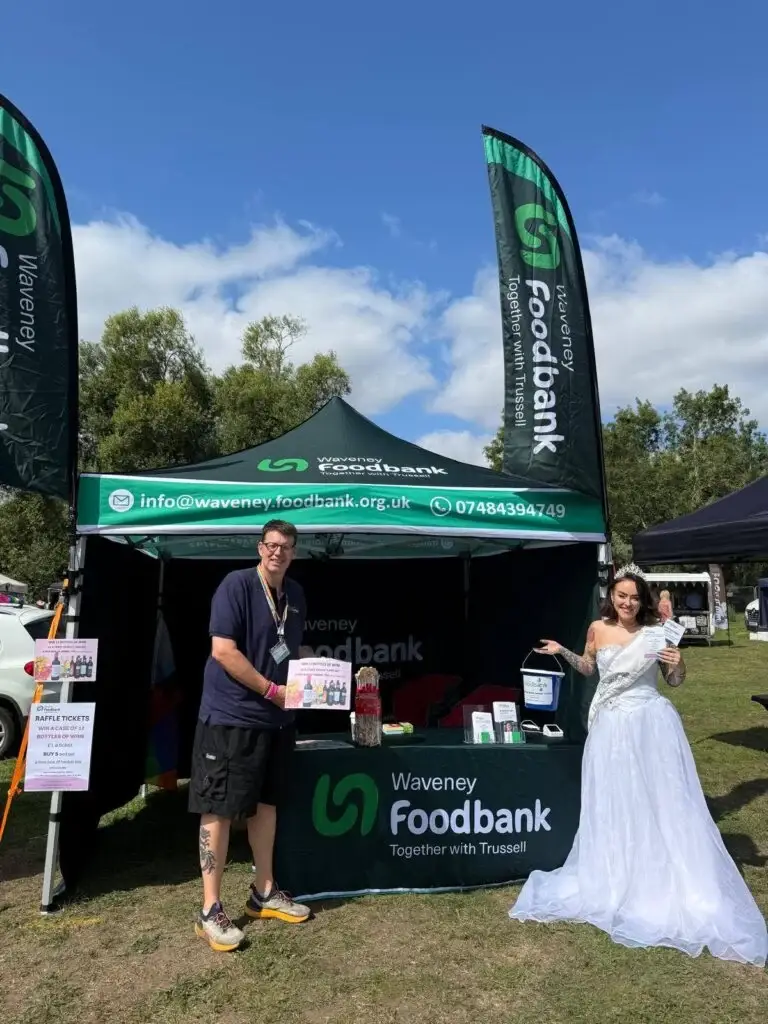
Beccles: Carnival organisers delivered food supplies to the Waveney Food Bank based at St Luke’s Church, thanks to outgoing carnival queen Miranda Hyde. “I’ve seen first-hand how many people in our community rely on the support they provide, and I wanted to do something that could make even a small difference,” she said. “Being able to donate food as I finish my year feels incredibly meaningful.”
Chesterfield: In April alone, the town’s Foodbank helped more than 850 local people facing financial hardship and provided a total of 7,686 meals. Nearly 9,600 people received three-day emergency supplies in 2025. But this year the charity has been forced to downsize its warehouse by moving into a smaller unit to reduce running costs.
Jacqueline DeVeaux, communications, engagement and funding manager spoke for all foodbanks in the country when she said: “It’s not just about handing over some food and saying, off you go. It’s also about creating a plan of action and making sure they leave with a lot more hope than when they came in.”
As for the McDonald’s question, exact numbers are hard to verify as new banks are starting and closing all the time and many are simply not logged. But it’s safe to say they number no less than 2,800 as of today (probably closer to 2,900). McDonald’s can lay claim to 1,440 outlets.
As for the future, while fast food will remain homogenous, community projects like the ones above are widely predicted to expand into more areas, offering debt advice, mental health support, or even energy vouchers alongside food. So watch this space.
Or put another way: next window please . . .