











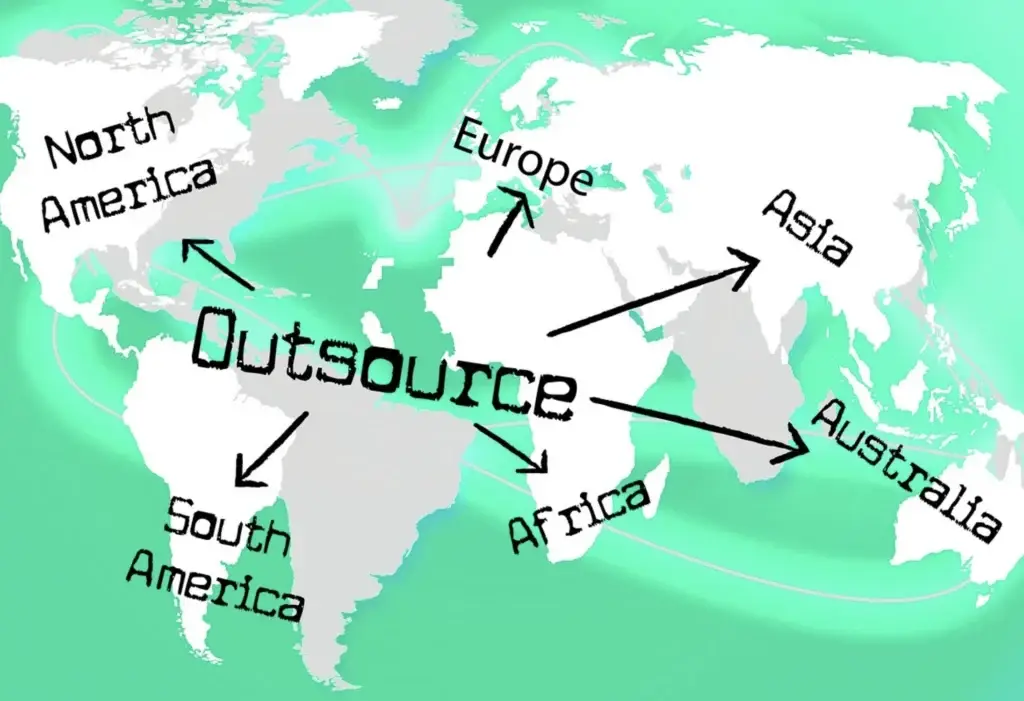
Outsourcing is often misunderstood. People hear the word and immediately think about cutting costs or replacing jobs. But the best outsourcing isn’t really about spending less money. It’s about helping people spend more time doing the work they’re actually good at.
At SDG:Zero, we believe businesses grow stronger when people work to their strengths instead of constantly juggling tasks that drain their energy, focus, and creativity.
That’s because most jobs do not consist of one single task. Look closely at almost any role and you’ll find it’s usually made up of lots of smaller activities.
Some need creativity and human connection. Some require focus and repetition. Some need specialist technical skills and others simply need consistency and time.
Yet many businesses still try to squeeze everything into one full-time position and that’s where problems often begin.
When businesses separate tasks more intelligently, something powerful happens
When a business owner loses evenings updating admin systems or a talented salesperson spends hours cleaning spreadsheets while a creative founder becomes overwhelmed by repetitive operational work.
Over time, productivity drops and motivation is replaced with burnout. When that happens, the real question isn’t: “Should we outsource?” It’s more a case of “What work should stay with the people best placed to do it?”
Here’s a simple example. Imagine your sales team. Their real value is building relationships, speaking with customers, understanding needs, and creating trust.
But how much of their week is spent cleaning lead lists, updating CRM systems, organising data or booking meetings, tasks that still matter but don’t always need to be done by the highest-value person in the process.
When businesses separate tasks more intelligently, something powerful happens as everyone works closer to their natural strengths.
Salespeople spend more time selling, data-focused people handle data, technical specialists solve technical problems and admin work gets completed faster and more consistently – creating better performance for the business and a healthier experience for the people inside it.
One of the biggest shifts in modern work is the need to think in smaller pieces. Not every task needs a full-time role attached to it. Some can be completed in short, focused blocks of 15-30 minutes or an hour.
And many of them can happen flexibly across different times, locations, or skillsets.
For example, data preparation might happen overnight, customer calls may need local business hours, technical fixes may only require occasional specialist input and admin tasks can often be completed asynchronously.
Breaking work into smaller, clearer tasks gives businesses far more flexibility and creates opportunities for the likes of remote collaboration, freelance support, community-based work, inclusive employment, global talent access and reduced operational pressure.
Outsourcing should create freedom, not friction. The best outsourcing models don’t remove people from the process. They support people within the process.
Sometimes, the smartest business decision is not hiring more people – it’s redesigning how work flows
Done well, outsourcing can reduce burnout, improve efficiency, increase focus, create more flexible work opportunities, allow businesses to scale sustainably and give skilled people more meaningful work.
It also helps organisations adapt more easily during busy periods, holidays, growth phases, or unexpected change. Instead of forcing one person to carry everything, work becomes more balanced and resilient.
There’s a more human way to view outsourcing which is why we see outsourcing differently. We don’t just see “tasks.” Instead, we see people, strengths, energy and opportunity.
Sometimes, the smartest business decision is not hiring more people – it’s redesigning how work flows.
Because when people spend more time doing work they enjoy and excel at, businesses perform better, communities become stronger, stress reduces, innovation increases and more opportunities are created for others.
That’s not just operational efficiency. That’s building a more human economy. So the next time you review a role in your organisation, ask yourself:
- Which tasks genuinely require this person’s expertise?
- Which tasks could be simplified or shared?
- Which activities drain energy instead of creating value?
- Where could flexible support improve both performance and wellbeing?
Sometimes small changes in task allocation create the biggest transformation of all.